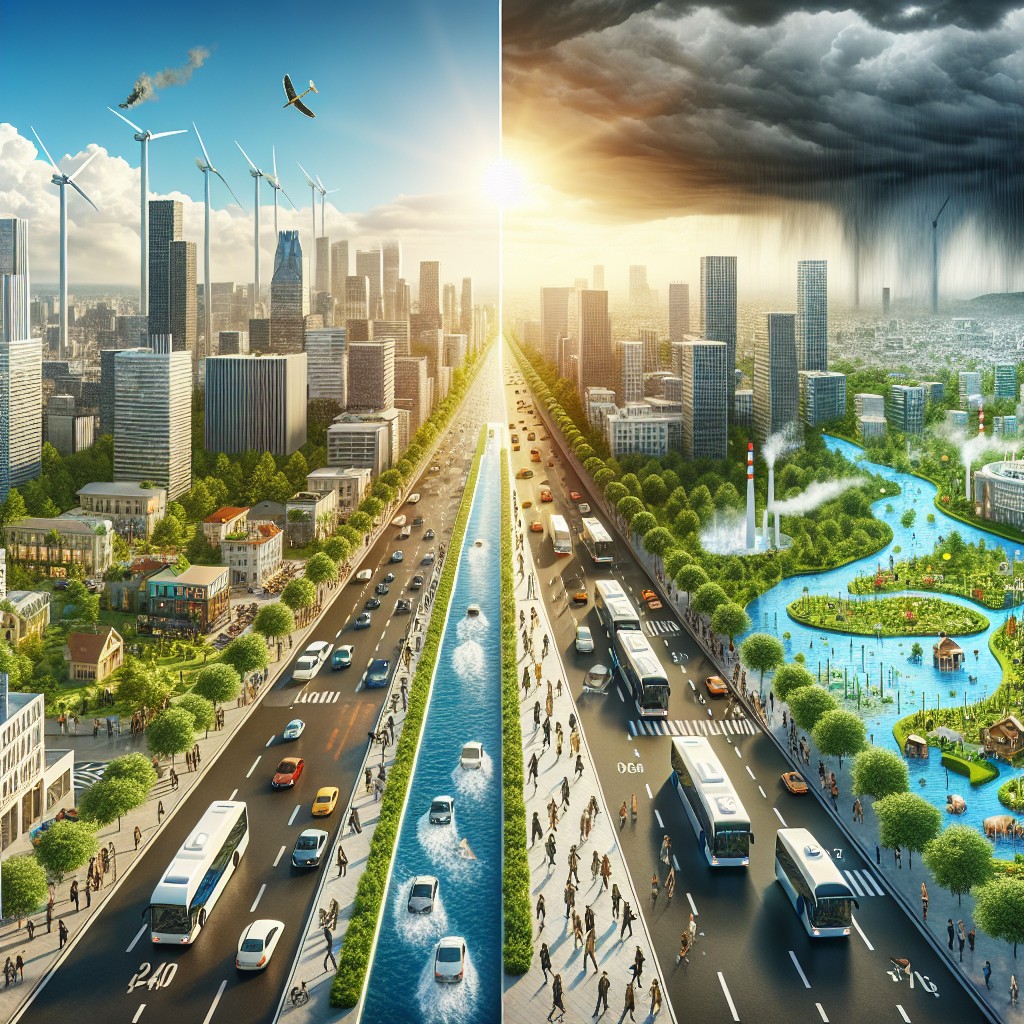
As climate change continues to manifest its effects across the globe, experts are now providing predictions regarding weather patterns for 2026. The findings from various climate studies indicate significant shifts in weather systems that could impact ecosystems and human activities. This Climate Analysis delves into these forecasts, examining the potential implications for societies around the world.
Projected Temperature Increases
According to leading climatologists, the year 2026 is poised to experience an unprecedented rise in average global temperatures. Data collected from years of climate models points towards an increase of at least 1.5 degrees Celsius above pre-industrial levels. Such a dramatic shift poses numerous challenges, including the acceleration of ice melting in polar regions and the increased frequency of heatwaves. This forecast underlines the urgency for immediate climate action to mitigate these trends.
Extreme Weather Events on the Rise
Experts highlight that along with rising temperatures, 2026 is expected to see a considerable uptick in extreme weather events. Hurricanes, floods, droughts, and forest fires are projected to become more frequent and intense, affecting agriculture, infrastructure, and livelihoods. The increasing unpredictability of these weather patterns calls for enhanced response strategies in vulnerable regions, emphasizing the need for proactive planning and community resilience initiatives.
Impact on Biodiversity and Ecosystems
The potential changes in weather patterns predicted for 2026 could also have dire consequences for global biodiversity. As habitats shift due to temperature increases and altered precipitation patterns, many species may struggle to survive in their current environments. The implications of this Climate Analysis extend beyond individual species, as entire ecosystems could face collapse. Conservation efforts will need to adapt quickly to preserve biodiversity and maintain ecological balance.
Conclusion
In summary, the climate predictions for 2026 call for urgent attention from governments, businesses, and individuals alike. With potential increases in temperatures and extreme weather events, proactive measures are essential to combat the detrimental effects of climate change. The findings emphasize that the time for action is now, as the effects of these alarming weather patterns could ripple through generations if not carefully managed.
Frequently Asked Questions about Climate Analysis
What is Climate Analysis and why is it important?
Climate analysis refers to the study of climate data to understand and predict weather patterns and climate change impacts, which is crucial for preparing and adapting to future environmental shifts.
How do experts conduct a Climate Analysis?
Experts conduct a climate analysis using computer models, historical weather data, and current atmospheric conditions to forecast future climate scenarios and assess their implications.
What are the major findings of recent Climate Analysis studies?
Recent climate analysis studies highlight warming trends, increased frequency of severe weather events, and potential disruptions to ecosystems and agriculture due to climate change.
Why should the public pay attention to Climate Analysis results?
The public should pay attention to climate analysis results as these provide critical insights into environmental changes that can affect daily life and long-term sustainability.
What actions can be taken based on Climate Analysis predictions?
Based on climate analysis predictions, stakeholders can implement policies for carbon reduction, improve disaster preparedness, and invest in sustainable practices to mitigate climate risks.