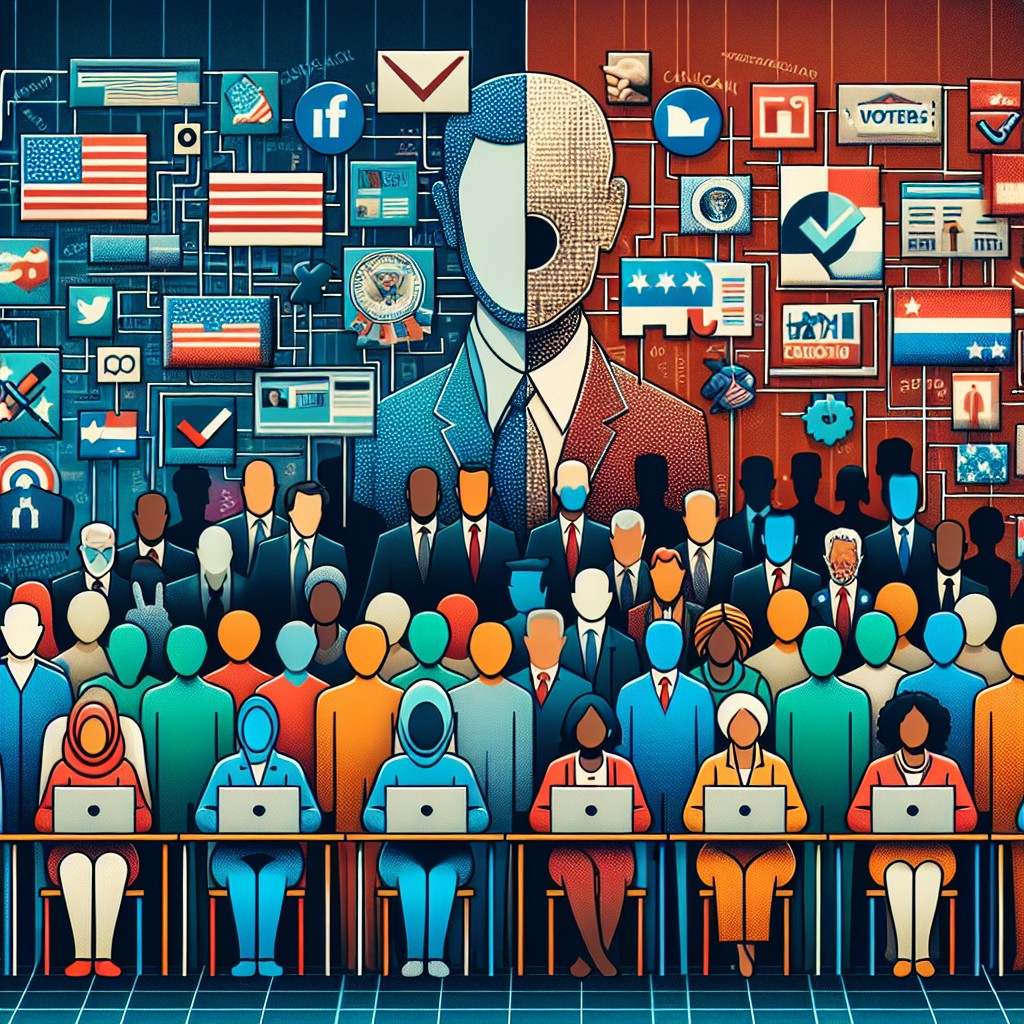
As the 2026 election cycles approach globally, political campaigns are increasingly adopting innovative techniques and tactics inspired by peers in other countries. This cross-pollination in election strategy has reshaped how candidates connect with voters and manage their campaigns.
Digital Microtargeting and Voter Engagement
One of the most notable trends for upcoming 2026 campaigns is the refined use of digital microtargeting. Borrowed from successful efforts in recent US and European elections, campaigns now employ advanced data analytics to segment voter populations and tailor messages precisely. This election strategy technique allows for highly personalized outreach, increasing voter engagement and turnout by addressing specific community concerns directly through social media and targeted digital advertisements.
Focus on Grassroots Mobilization Tools
Another critical element shaping campaigns in 2026 is the enhanced emphasis on grassroots mobilization. Campaigns from countries like Canada and New Zealand have demonstrated the effectiveness of integrating mobile applications and digital organizing platforms with traditional door-to-door canvassing. This hybrid approach has been widely adopted by campaign teams worldwide to boost volunteer coordination and real-time feedback gathering, thereby amplifying voter turnout efforts with improved efficiency.
Cross-Cultural Messaging Adaptations
Campaign strategists are increasingly borrowing from international examples to craft messages that resonate across diverse demographics. In multicultural societies, such as those in Australia and Germany, election teams utilize multi-language communications and culturally sensitive content to address minority groups effectively. This strategic adaptation has become an essential component of the modern election playbook, ensuring that campaigns do not alienate key voter segments and instead foster inclusive engagement.
Integration of Artificial Intelligence in Campaign Policies
Artificial intelligence (AI) is gradually making its mark on election strategy. Campaigns in technologically advanced countries have incorporated AI-driven sentiment analysis and predictive modeling to shape policy platforms responsive to voter priorities. By analyzing vast datasets from social media, public opinion polls, and news outlets, candidates align their policies with constituent concerns more accurately, resulting in a data-informed election approach gaining momentum globally.
Transparency and Combating Misinformation
Transparency initiatives and the fight against misinformation have become pivotal in contemporary election strategies. Drawing lessons from recent electoral challenges worldwide, campaigns are deploying fact-checking partnerships and transparent communication channels to maintain voter trust. This focus addresses the rising issue of disinformation in digital spaces and underscores a global commitment to safeguard the integrity of the 2026 electoral processes.
Frequently Asked Questions about election strategy
What are the key trends in election strategy for 2026?
Key trends include digital microtargeting, grassroots mobilization through technology, culturally adapted messaging, AI integration, and heightened transparency efforts. These approaches reflect the evolving landscape of election strategy worldwide.
How is digital microtargeting influencing election strategy globally?
Digital microtargeting allows campaigns to send tailored messages to specific voter groups based on data insights, leading to more effective communication and increased voter engagement, making it a prominent aspect of election strategy.
In what ways does grassroots mobilization enhance election strategy?
Grassroots mobilization, supported by digital tools, improves volunteer coordination and voter outreach. This combination increases voter turnout and connects campaigns closely with community concerns within their election strategy framework.
Why is cultural adaptation important in modern election strategy?
Cultural adaptation ensures that campaign messaging resonates with diverse populations, preventing alienation of minority groups and fostering inclusivity, which strengthens the overall effectiveness of election strategy.
How do transparency and combating misinformation relate to election strategy?
Transparency builds voter trust and combats misinformation by promoting fact-based communication. Integrating these principles into election strategy helps protect the electoral process and maintain democratic legitimacy.